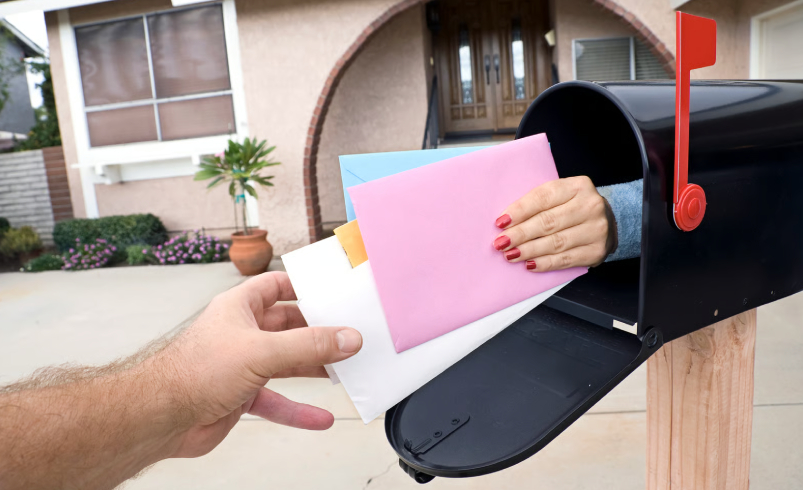
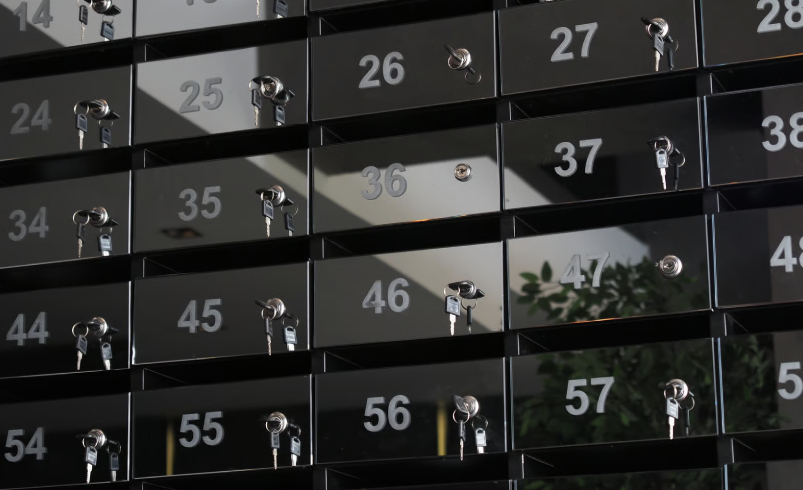
Secure mail handling is essential for both homeowners and businesses, especially in busy environments like Chicago Land where mail theft, loss, and mismanagement can lead to serious consequences. Whether you are dealing with personal letters, financial documents, or business correspondence, having a proper system for handling mail ensures safety, organization, and efficiency.
Many people focus only on having a secure mailbox, but true mail security goes beyond that. It involves how mail is received, stored, processed, and delivered internally.
This guide explains the best practices for secure mail handling to help you protect sensitive information and maintain a reliable mail management system.
Why Secure Mail Handling Matters
Mail often contains critical information that must be protected.
1. Prevents Identity Theft
Sensitive documents can be misused if they fall into the wrong hands.
2. Protects Business Data
Confidential company information must remain secure.
3. Ensures Timely Communication
Proper handling avoids delays and lost mail.
4. Maintains Privacy
Personal and business privacy depends on secure processes.
1. Use a Secure Mail Receiving System
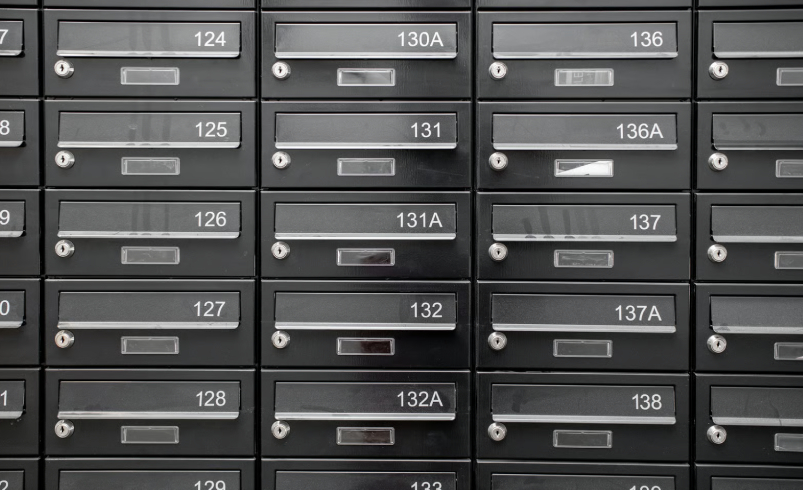
Start with a strong and secure mailbox or mail receiving system.
Best Options:
- Locking mailboxes
- Parcel-secure mailboxes
- Professional mail receiving services
Benefit:
Prevents unauthorized access at the entry point.
2. Assign Responsibility for Mail Handling
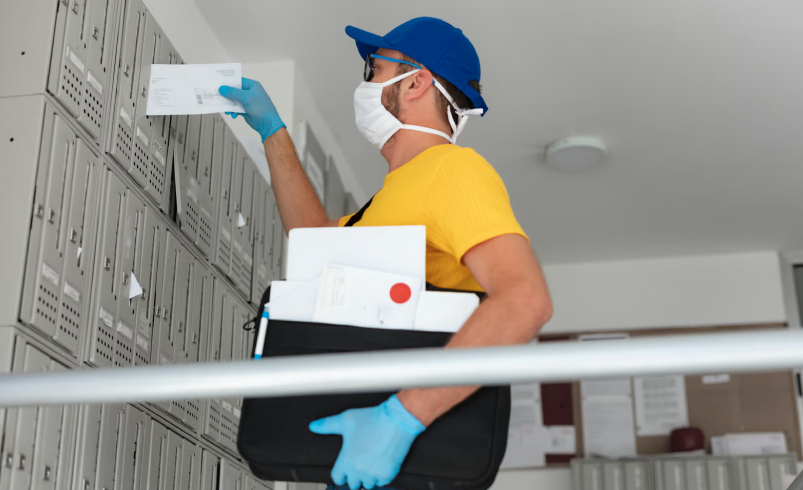
For businesses or shared households, assign specific individuals to manage mail.
Why It Helps:
- Reduces confusion
- Ensures accountability
- Improves organization
3. Collect Mail Regularly
Frequent collection reduces risk.
Best Practice:
- Check mail daily
- Avoid leaving mail unattended
- Schedule collection times
4. Implement Mail Sorting Procedures
Sorting is essential for organization and security.
Sorting Categories:
- Personal mail
- Business mail
- Urgent documents
- Junk mail
Benefit:
Prevents misplacement and improves efficiency.
5. Secure Storage of Mail
After collection, store mail safely.
Options:
- Locked drawers or cabinets
- Secure mailrooms
- Restricted access storage areas
6. Limit Access to Sensitive Mail
Only authorized individuals should handle important documents.
Tips:
- Restrict access to trusted people
- Use access control systems in offices
- Avoid sharing mailbox keys
7. Use Mail Tracking and Logging
Tracking ensures accountability.
Methods:
- Maintain a mail log
- Use digital tracking systems
- Record important deliveries
8. Protect Incoming Packages
Packages require special handling.
Tips:
- Inspect packages upon arrival
- Store them in secure areas
- Avoid leaving them unattended
9. Use Secure Delivery Options
For important mail, choose secure delivery methods.
Options:
- Registered mail
- Certified mail
- Signature-required delivery
10. Shred Sensitive Documents
Disposal is part of secure handling.
Best Practice:
- Use cross-cut shredders
- Destroy financial or personal documents
- Avoid throwing intact papers in trash
11. Install Security Measures
Add extra layers of protection.
Options:
- CCTV cameras
- Motion sensor lighting
- Alarm systems
12. Train Staff or Family Members
Awareness is key to security.
For Businesses:
- Train employees on mail handling procedures
- Establish clear guidelines
For Homes:
- Educate family members about mail safety
13. Use Digital Mail Solutions
Modern systems offer additional security.
Features:
- Mail scanning
- Cloud storage
- Remote access
Benefit:
Reduces reliance on physical handling.
Common Mistakes to Avoid
- Leaving mail unattended
- Sharing mailbox access freely
- Ignoring suspicious packages
- Not organizing mail properly
- Failing to secure stored documents
Benefits of Secure Mail Handling
- Protection against theft and fraud
- Improved organization
- Faster mail processing
- Enhanced privacy
- Better control over communication
Future of Secure Mail Handling
Mail handling systems are becoming more advanced.
Future Trends:
- AI-based mail sorting
- Smart mailrooms
- Automated package lockers
- Digital-first mail systems
- Integrated security platforms
Conclusion
Secure mail handling is not just about protecting mail—it is about creating a complete system that ensures safety, efficiency, and reliability. In areas like Chicago Land, where mail traffic is high and security risks exist, following best practices is essential.
By implementing proper procedures, using secure systems, and maintaining awareness, you can protect your mail from theft, loss, and misuse while improving overall organization.